All posts by AllSmiles

What to Do If Root Canal Filler Material Falls Out of Your Tooth

In 2016, I had a root canal on an upper right molar tooth. I have only been to a dentist twice since that time and the last time was early last year. The cap fell off almost 2 months ago and there is a rod in my tooth that wiggles back and forth. Can I pull the post out? It’s uncomfortable when I chew, and I’m afraid it might come out when I’m eating. I don’t want to swallow it. Thanks. Clinton from Georgia

Clinton,

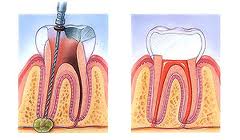
In addition to your lost dental crown, the root canal filling material is falling out. If your dental crown came off two months ago, you’re at risk for infection and needing another root canal treatment.

What Happens When Root Canal Filling Material Is Unprotected?

If you had root canal treatment on a tooth, problems with the tooth will increase if it isn’t sealed off and protected.

  • The material is exposed to oral fluids and saliva can loosen the filling
  • Your tooth can be infected again
  • You’ll need another root canal treatment
  • Your dentist will protect the tooth with a dental crown.

The metal crown in your tooth is likely a post that was used to fill your tooth. Although the post can last for years, if your crown if off, it won’t last. You shouldn’t remove it yourself. A dentist will examine your tooth to determine if root canal treatment needs to be repeated or if the tooth can simply be sealed and protected with a crown.

Do You Have Dental Anxiety?

Many patients who delay dental care have anxiety about dental visits. If you suffer from anxiety, Clinton, don’t let it prevent you from getting the care you need. Tell your dentist about your nervousness. Any dental procedure can be performed with sedation to help you relax and have a productive appointment. Depending on your level of anxiety, you can receive nitrous oxide or oral conscious sedation in pill form.

This post is sponsored by Miranda Lacy, DDS, a Plano, TX female dentist.

Her Sinus Peforation Still Hasn’t Healed

In late November when I had an upper right molar tooth extracted, my dentist sedated me. I don’t know why he was talking to me when I was half out of it. Anyway, my dentist told me he could see into my sinuses. I don’t remember much other than that. I took all the prescribed antibiotics, but the sinus perforation is only partially closed. When I sneeze or blow my nose, I can feel that it’s still open and I think that my sinuses are infected.

I get a low fever almost every day, and I have frequent headaches. My dentist keeps telling me to give it more time, but I wonder if it’s time to see an oral surgeon. I hate the thought of being sedated and something going wrong again. Is it normal to have a prolonged healing period? Thanks, Tyler

Tyler,

We are sorry to hear about your ongoing discomfort after your molar tooth was extracted. The prolonged healing period is not normal.

What’s happening?

  • It’s likely that you’ve had an infection ever since your tooth was extracted.
  • If the perforation hasn’t healed yet, the tip of the tooth root or a bone fragment might remain in your sinus.
  • Your dentist should have x-ray your sinus to see if an object is preventing the perforation from healing
  • You can ask for a referral to an otolaryngologist to determine if there is something preventing proper healing and to get the right treatment.
  • The hole needs to be closed. You’ll need another course of antibiotics to clear the infection.
  • If a bone graft is needed, the gum tissue over it will close in four to six weeks. The bone graft will heal in four to six months. You’ll have follow-up appointments to check the progress.

Will you need to be sedated?

Photo of female patient sitting and relaxing in a dental chair, for information on sedation dentistry from Plano female dentist, Dr. Miranda Lacy.
Sedation will help you relax as the sinus perforation is corrected

Although you are hesitant about being sedated again, it will ensure your comfort throughout the procedure. Otherwise, your discomfort can prevent the oral surgeon from completing the procedure. You will have a consultation before the perforation is closed, and you can talk with the surgeon about your concerns.

This post is sponsored by Plano, TX dentist Dr. Miranda Lacy.

Is This Hydrogen Peroxide Solution Good for Whitening Porcelain Veneers?

I found a mouthwash and teeth whitening recipe online that I can make that won’t harm my porcelain veneers. I just want to double-check the ingredients to make sure it will work. It contains 8 oz filtered water, boiled; 8 oz of 3% hydrogen peroxide; and 2 tablespoons of sea salt. Is this mixture okay to use on porcelain veneers, or are the measurements off? Thanks. Gloria from Little Elm

Gloria,

If your veneers are stained, avoid any at-home methods to brighten them.

How to whitening teeth that have been restored with porcelain veneers

Mouthwash – Mouthwash that contains alcohol will soften the bonding that adheres the porcelain veneers to your teeth. It will create a reservoir around the edge of your veneers that attracts stains. Your veneers can loosen, too. Avoid alcohol-based mouthwash.

Hydrogen peroxide – Although hydrogen peroxide kills bacteria, including harmful bacteria that promote gum disease, it also kills beneficial microbes. The result is an overgrowth of yeast, or candida albicans.

Although short-term use of hydrogen peroxide is helpful as a mouthwash, prolonged use can develop into unwanted symptoms, including:

  • Oral yeast infection
  • White and peeling oral tissue
  • Raw, red, and painful patches

What if your veneers are stained?

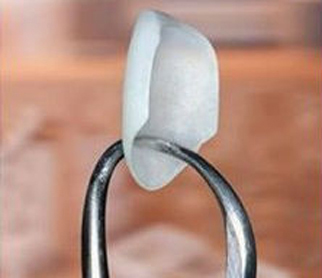
Photo of a single porcelain veneers, from affordable Plano TX dentist Dr. Miranda Lacy.
Ensure your veneers are maintained by a cosmetic dentist

If your porcelain veneers appear to be stained—or if you want to ensure they remain sparkling white— what can you do?

  • Continue to maintain good oral hygiene. Floss between your teeth daily and brush them with non-abrasive toothpaste.
  • Speak with your dentist if you have concerns about discoloration or stains. He or she has in-office equipment to polish your veneers without harmful whitening chemicals.
  • Avoid using tooth whitening solutions on your porcelain veneers. The chemicals can scratch the surface of your veneers and attract stains.
  • Only have your veneers cleaned by a dental hygienist who is trained to use the correct tools to avoid damaging them.

Plano TX female dentist, Dr. Miranda Lacy, sponsors this post.

Teeth Sensitive at the Gumline? What’s Causing It and How It’s Treated

For about 3 months, I’ve had periodic tooth sensitivity at the gumline on my top right front tooth and the one to the right of it. The teeth aren’t sensitive to heat or cold, but if I run my fingernail or a toothpick along the gums, it’s sensitive. Flossing or brushing my teeth doesn’t hurt. The sensitivity has increased over the past 3 weeks. The only thing different is that I’ve started whitening my teeth at home. The sensitivity isn’t during or after whitening, but if I put pressure on the teeth, it feels like the nerves in the area are more irritated than ever. What’s causing this? – Luke

Luke,

Thanks for submitting your question. Persistent tooth sensitivity should not be ignored because it can lead to internal damage and root canal treatment. Until the issue is diagnosed and treated, you should discontinue whitening your teeth, because bleaching gel can cause further irritation.

The good news is that your teeth aren’t sensitive to heat or cold, so it is unlikely that the pulp (living tissue in the tooth) is damaged.

How Are Sensitive Spots on Teeth Treated?

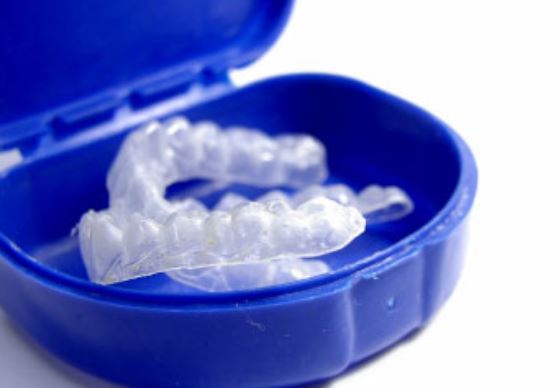
Photo of upper and lower teeth whitening trays in a blue case; for information on teeth alignment from the office Plano dentist Dr. Miranda Lacy.
Discontinue whitening until your dentist says it’s safe

Although many dentists aren’t aware of it, teeth slightly flex where the crown and root meet. These tiny movements can occur when we bite, chew, or clench or grind our teeth. Flexure causes small amounts of tooth structure to break. Over time, flexing sends impulses to a tooth and creates sensitivity. The tooth can develop a significant groove, referred to as an abfracted lesion.

It’s relatively easy for your dentist to treat teeth that are sensitive in specific locations.

  • Your dentist must examine your teeth to determine the size of the spots.
  • If the spots are small enough, your dentist will seal them.
  • Larger grooves must be filled. An ordinary filling often won’t stay in the grooves, so your dentist can use a microfill composite or another flexible filling material. Microfill composite will eliminate or reduce sensitivity in the teeth.

After treatment, your dentist will let you know when it’s safe to resume whitening your teeth.

Plano female dentist, Miranda Lacy DDS, sponsors this post.

Chipped Your Tooth? A Natural Looking—and Cheaper—Alternative to a Porcelain Veneer

Yesterday I fell and chipped the outer corner of my front left tooth, and I’m afraid that I cannot afford to have a dentist correct it. The chip is so large that there is a dark space, like a sideways triangle, in my smile.

I’ve been frantically looking online to find what type of treatment a dentist might recommend. Most of the search results come up with porcelain veneers. Based on what I read, my concerns are that I cannot afford to spend $1000 + on a porcelain veneer. I’m paying my way through medical school, so fixing my smile is essential. But I am afraid that anything cheaper than a veneer won’t look natural. – Thanks. Anika

Anika,

A cosmetic dentist can affordably repair a chipped tooth with chairside dental bonding—made with silica or quartz that is bound with dental resin. Experienced cosmetic dentists stock a variety of composites to replicate the variations in shade and translucence of your natural teeth.

But a general or family dentist who doesn’t have an artistic eye or advanced training in aesthetics won’t be able to produce lifelike results. That’s why most general dentists recommend a porcelain veneer or a crown to restore a chipped tooth.

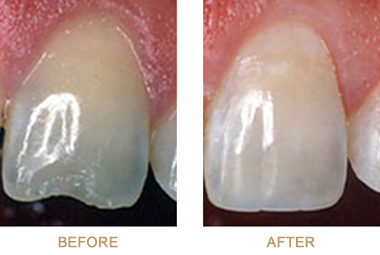
Before-and-after photos of a chipped tooth repaired with dental bonding.
Dental bonding can repair a chipped tooth more affordably than a porcelain veneer

Although Dental Bonding Is Affordable, It Requires Skill

Dentists apply composite freehand, while you’re sitting in the dental chair.  What’s the process? What will your cosmetic dentist do to restore your tooth?

  • Select shades of dental composite to replicate the characteristics of your tooth enamel
  • Roughen your chipped tooth
  • Apply, shape, and sculpt the composite
  • Polish it to match the gloss of your natural teeth

Carefully a select cosmetic dentist. You can look at several dentists’ websites to find information about their advanced training and experience in cosmetic dentistry.

Miranda Lacy, DDS of Plano, TX sponsors this post.

3 Facts You Need to Know About Pain and Sedation Dentistry

For some people, being able to relax with sedation dentistry isn’t enough. They also want a pain-free experience. After all, the anticipation of pain is one of the top causes of dental anxiety and a common reason that millions of Americans delay or cancel appointments. So, what can you expect from sedation dentistry in terms of pain relief?

What Is In-Office Sedation Dentistry?

When you receive sedation dentistry, it is not general anesthesia, which is administered in a hospital or surgical center. You will receive medication to help you relax. But you will be conscious and able to respond to questions and instructions.

Sedation dentistry can be used for any dental procedure—dental cleanings and exams, root canal treatment, or restorative work.

What About the Pain?

Photo of female patient sitting and relaxing in a dental chair, for information on sedation dentistry from Plano female dentist, Dr. Miranda Lacy.

The purpose of sedation is to help you feel calm and relaxed. Sometimes, you will fall asleep.

  • Your sedation dentist will use a local anesthetic as the first step in pain control. Even before minimally invasive procedures, your dentist will numb your gums to ensure you receive a painless injection of a local anesthetic to block pain during your procedure.
  • Sedation dentistry decreases your sensitivity to pain.
  • Treatment is painless for most patients, and pain is limited or nonexistent afterward.
  • Your increased comfort and decreased sensitivity help your dentist accomplish more work in less time. Even if you don’t have dental anxiety, you can save time with sedation by being able to sit comfortably as your dentist accomplishes more work than usual.

Levels of Dental Sedation

Most state regulations require dentists to receive training and a permit to administer sedation. Staff members are trained to monitor your vital signs and handle any rare emergencies. Don’t hesitate to ask your dentist about training, experience, and the number of sedation cases he or she has completed.

Dentists offer varying levels of sedation based on their training, experience, licensure, and the patient’s needs. After discussing the causes and extent of your anxiety, your dentist will choose a level of sedation that is adequate for your procedure.

Mild

Nitrous oxide—or laughing gas—is the lowest level of sedation. It gives you tingling sensations or a sense of well-being. It’s useful in managing pain and dental anxiety. After you stop breathing it in, the effects quickly reverse.

Moderate

You will receive oral conscious sedation in pill form. Your dentist will tell you what time to take it before you arrive at the dental office. Your anxiety about—and hypersensitivity to—the pain will fade. You’ll be drowsy, unable to drive, and relaxed before and after your dental procedure. You might not remember anything about your appointment.

Deep

I.V. sedation is administered through your veins. Not all dentists offer it, though. You’ll be drowsy and need transportation before and after your appointment.

Talk to Your Dentist About Sedation and Pain

Regardless of which type of sedation your dentist offers, it will decrease your sensitivity to pain. Speak with your dentist about cases like yours that he or she has handled and what you can expect.

Miranda Lacy, DDS sponsors this post. She is a Plano, TX female dentist who offers sedation. Dr. Lacy’s office is convenient to Addison, Allen, Carrollton, Farmers Branch, Frisco, Garland, Highland Park, and Little Elm.

3 Reasons Why Whitening Might Be Bad for Your Teeth

Whiter teeth can make your smile look more youthful and enhance your facial appearance. But in some cases, teeth whitening attempts can do more harm than good.

1. Gum Disease and Cavities

If your gums bleed or are inflamed or irritated, teeth whitening will make matters worse. The bleaching agent will further irritate your gums and cause pain. Gum disease needs to be treated and controlled before bleaching your teeth. Also, bleaching gel will penetrate through cavities and increase sensitivity in your teeth.

2. Challenges of Charcoal for Whitening Teeth

Researchers at the Creighton University School of Dentistry concluded that charcoal toothpaste is harsh on tooth enamel and can cause premature wearing and tooth decay. Laboratory students observed that charcoal toothpaste caused discoloration and made teeth look yellow or gray.

3. Hydrogen Peroxide Hype

Hydrogen peroxide can whiten teeth, but it can be harmful to your oral health. Some people are tempted to purchase the most potent solution available to brighten their teeth. Studies show that high concentrations of hydrogen peroxide can burn your gums and oral tissue and break down tooth enamel. And if you ingest high-powered peroxide, it releases dangerous levels of oxygen in your bloodstream.

Long-term use of 3 percent hydrogen peroxide (low strength) can kill beneficial microbes in your mouth and cause microorganisms, including candida albicans (yeast), to thrive.

What Are the Alternatives?

Photo of upper and lower teeth whitening trays in a blue case; for information on teeth alignment from the office Plano dentist Dr. Miranda Lacy.
Dentist-supervised whitening is safe

If in-office whitening from your dentist isn’t within your budget, consider the following alternatives:

  • Take-home whitening from your dentist is effective.
  • Keep your dental exam and cleaning appointments. Often, your dental hygienist can get tough surface stains off your teeth.
  • Limit things that cause tooth stains, including smoking and drinking coffee, soda, wine, and dark juices.
  • Ask your dentist how whitening treatment can be made affordable for you. Some dentists offer free whitening for patients who keep their exam and cleaning appointments.

This post is sponsored by Miranda Lacy, DDS of Plano, TX.

Teeth Whitening Gel or Baking Soda to Brighten Your Dull Veneers?

Are you thinking about using teeth whitening or baking soda to brighten your porcelain veneers? What you use to clean your veneers can maximize—or minimize—their lifespan.

The Properties of Porcelain Veneers

Well-made porcelain veneers replicate tooth enamel. Although porcelain beautifully mimics enamel, the properties of porcelain are different. The dental ceramics used to make veneers are harder than tooth enamel. And veneers are stain resistant. So how can you whiten them?

Teeth Whitening

Photo of upper and lower teeth whitening trays in a blue case; for information on teeth alignment from the office Plano dentist Dr. Miranda Lacy.
Teeth-whitening treatments won’t brighten porcelain veneers

Professional bleaching gel is made of carbamide peroxide, which penetrates through tooth enamel into the dentin in teeth. The gel lightens the natural pigmentation in your teeth. But porcelain veneers are colorfast—teeth whitening won’t change their color.

Baking Soda or Teeth-Whitening Toothpaste?

Powdered baking soda is abrasive. If used for an extended period, it can scratch tooth enamel or the surface of porcelain veneers. Additionally, most types of toothpaste—including those with teeth whitening properties—are too abrasive to use for an extended period on cosmetic dental work. At the margin of your gumline and the veneers, abrasive pastes can wear away the composite bonding that secures the veneers to your teeth.

Many advanced cosmetic dentists recommend low-abrasion toothpaste for any cosmetic work, including porcelain veneers. Supersmile® toothpaste is gentle on teeth and cosmetic work.

Bottom line: Don’t use powdered baking soda or teeth-whitening gels or pastes on your porcelain veneers. Long-term use will create scratches that attract stains. Use a low-abrasion brand of toothpaste that is recommended by your cosmetic dentist.

If Your Porcelain Veneers Are Dull or Stained

If porcelain veneers are stain resistant, why do yours look dull? Several factors can cause veneers to look dark and detract from your smile, including:

  • Bacteria leaking behind the cosmetic work
  • Excess dental cement that your dentist didn’t thoroughly remove when bonding the veneers to your teeth
  • Damage that results when a hygienist uses dental instruments or chemicals that work well on tooth enamel but not on veneers

It’s best to determine the cause of your dull or stained veneers. Teeth whitening gels or pastes won’t help. You can schedule an appointment for an exam with an advanced cosmetic dentist. Your cosmetic dentist might be able to polish your veneers and enhance their gloss. He or she will explain your options.

Miranda Lacy, DDS, a female dentist in Plano, TX, sponsors this post.

Affordable vs. Cheap Dentures – 5 Clues to Knowing What You’ll Receive

Affordable dental care and cheap dental care yield different results for your oral health. If you’re looking for affordable dentures, there are ways to ensure you still get quality replacement teeth.

Ask Your Dentist about the Process

You can schedule a consultation to ask your dentist about his or her protocol for providing dentures that look and feel great. You can also ask about options to make dental treatment affordable for you. Make a checklist of the items below to keep track of your dentist’s process. If you’re hesitant after the discussion, you can schedule a consultation with another dentist.

1.      Consultation

Diagram of a lower snap-on denture for information on Plano TX affordable dentistry from Dr. Miranda Lacy.
An affordable dentist can provide snap-on dentures

During a consultation, you and your dentist will discuss your concerns. You’ll learn about your options for dentures, including implant overdentures. Your dentist will also listen as you describe how you want your new smile to look. He or she will discuss the costs and how treatment can be made affordable to you.

2.      Impressions of your mouth

Dentists who want to achieve the most accurate fit for dentures take two-step impressions. And some dentists use three steps. Although you can find cheap dentures, the attention to detail ensures you get value from affordable dental care.

  • Preliminary – Your dentist takes a preliminary model of your jaw to make custom trays for a final impression. This step produces an accurately fitting denture. Although many dentists use stock trays, they are less accurate than a custom mold of your mouth.
  • Border impression – Some dentists use a heaver impression material to record the portion of your mouth that the denture border will touch. The border of an upper denture regulates the suction that will keep your denture in place. An accurate border means a better-fitting denture.
  • Inner impression – The next step is to use a medium impression material to register the details of the soft tissue inside the border.

3.      Wax model

Your dentist will make a wax model of the denture for you to put in your mouth. It’s a guide to let you know how your replacement teeth will look and feel. It doesn’t represent an exact fit of your final denture. But if the denture teeth are too large or too small—this is your opportunity to request changes. Otherwise, affordable dental care becomes expensive when you’re not satisfied and need to repeat the process to get new dentures.

4.      Fit check

When your denture is ready, you’ll try it on. Your dentist will check your bite (the way your upper and lower teeth fit together) and ensure the denture is comfortable. Sometimes relining or adjustments are needed.

5.      Follow-Up Appointments

Your affordable dentures will be worthwhile if your dentist schedules follow-up appointments to ensure your gums are healthy and your dentures are functioning well. A poor-fitting oral appliance can lead oral health issues that cost you more money in the future.

It’s More Affordable to Get Dentures Right the First Time

Although a dentist with a multi-step process might have higher fees, in the long term, preventing costly mistakes will be more affordable for you. Precautions will save you time and money. Look for a few experienced dentists in your area. Schedule consultations and take notes of the steps each dentist completes to ensure your affordable dental care isn’t cheap in quality.

This post is sponsored by Plano, TX female dentist Dr. Miranda Lacy.

3 Surprising Ways Your Toothbrush Can Affect the Brightness of Your Smile

Teeth whitening is an easy way to make you and your smile look younger. Although your teeth get stained and darken over time, regularly brushing them will help remove surface stains and prevent a buildup of discoloration. But does your toothbrush matter?

1. Lifespan of a Toothbrush

Photo of a yellow toothbrush with toothpaste being applied to it; for information on free teeth whitening in Plano, TX

The lifespan of a toothbrush is three to four months. If you haven’t switched your toothbrush in a year, your brushing might be in vain. And the brush won’t make your teeth any whiter. Scattered, worn bristles aren’t doing the job. Settle the issue by keeping a few toothbrushes on hand so you can switch to a new one when the current one is worn. Can’t remember to switch to a new brush? Make a note in your calendar—hardcopy, phone, tablet, or iPad.

2. Hard or Soft?

Is a hard toothbrush more effective at removing surface stains from your teeth? That might seem logical, but below are a few facts:

  • Hard and medium bristles can promote gum recession.
  • Exposed tooth roots from gums that recede will make your teeth more sensitive to heat and cold.
  • A soft-bristled brush with long, angled bristles can easily clean between each tooth. It will be effective without harming your gum tissue.

3. Manual or Electric?

The American Dental Association reports that manual and electric toothbrushes are equally effective. Does this mean that your loved one needs no longer needs to gift you with an electric brush? An electric toothbrush has several advantages.

  • If you have dexterity issues, lack the motivation to brush properly, or don’t brush long enough, an electric toothbrush can help. Many electric brushes have a two-minute timer.
  • Just hold the brush and move it along the front and back of each tooth.
  • Don’t brush aggressively. Let the toothbrush do the work.

It’s all about you

Often, the brightness of your smile is related to the effort you put into maintaining good oral health. Brush your teeth twice daily. If you want a bright smile—even if you received professional teeth whitening—there is no substitute for brushing your teeth. Floss between your teeth to remove food debris that can lead to a buildup of plaque and discoloration.

In some cases medication or medical issues can change tooth color. A cosmetic dentist can help improve your smile.

If you’re doing all you can keep your teeth clean, but some stains remain, ask your dentist if professional teeth whitening is right for you. It can break down stains beneath the enamel and will give your teeth the sparkle you want.

This post is sponsored by Dr. Miranda Lacy of Plano, TX. She provides free teeth whitening to patients who keep their dental cleaning and exam appointments.