Should I decline use of an ultrasonic scaler if I have veneers? During my past three dental cleanings, my hygienist used a magnetostrictive ultrasonic cleaner. Each time and upper veneer fractured within a week. Is the scaler known to cause veneer fractures? What companies manufacture this equipment? Should I ask for free veneer replacement if the dentist doesn’t offer it? – Thanks. Farida from CA
Farida,
Dentistry primarily uses two types of ultrasonic scalers: piezoelectric and magnetostrictive. The most familiar magnetostrictive system is the Cavitron, produced by Dentsply. It has been a reliable ultrasonic scaler for decades and remains common in dental practices.
Compared with piezoelectric units, magnetostrictive scalers can be gentler in certain situations. However, they require greater attention to technique because improper use increases the risk of damaging teeth or dental restorations. In experienced hands, they should not damage porcelain veneers.
Why Would a Veneer Crack During a Hygiene Appointment?
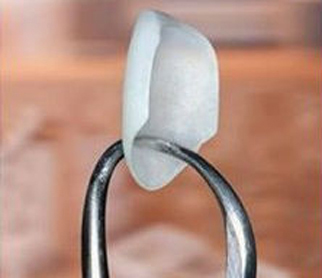
A veneer may crack if the scaler tip contacts the porcelain instead of the tooth surface. Hygienists avoid that type of contact during professional cleanings. Porcelain is strong, but it can fracture if you apply concentrated force directly with an ultrasonic instrument.
A damaged veneer after a routine cleaning deserves a careful evaluation to determine how the damage occurred, what treatment options are available, and whether you need a replacement veneer.
Why Is Technique So Important When Cleaning Teeth with Veneers?
Careful techniques help protect both natural teeth and existing dental work.
Ultrasonic scalers are valuable instruments that improve the efficiency of periodontal care. Their benefits depend on proper handling throughout treatment.
When an ultrasonic scaler is used improperly, possible complications include:
- Chipping or fracturing porcelain veneers
- Damaging crowns or other restorations
- Creating rough or nicked root surfaces
- Encouraging plaque and calculus to collect more easily
- Increasing the long-term risk of gum disease or root decay
What Research Is Available on Ultrasonic Scalers?
Research supports the effectiveness of both types of ultrasonic scalers. A comparison published in the Journal of Clinical Periodontology found that magnetostrictive scalers left smoother root surfaces, although they required more treatment time than piezoelectric scalers. Patients who want a simpler explanation may also find a review written for dental hygienists helpful because it summarizes the practical differences between the two technologies in easy-to-understand language.
Plano dentist Dr. Miranda Lacy sponsors this post.