All posts by AllSmiles

New cavities after pregnancy and my fillings hurt

I am writing about an increase in cavities and pain after new fillings. My third child was born in December 2020. And within a few months, I began feeling severe pain whenever I ate anything sweet. When I went to the dentist, she found two cavities. My dentist placed composite fillings. In March, after my dental appointment, my dentist found four more cavities. Two fillings are fine, but I still have pain when chewing with the other two.  My teeth ache sometimes. My dentist checked by bite, which she says is fine. She offered to replace the fillings. And she mentioned that the teeth might be cracked. Why would formerly healthy teeth be cracked? I had no issues before delivering my baby in December, and now I have multiple cavities that seem to be increasing. I brush my teeth at least twice daily and at least once daily. Why is this happening? Do I need to find a dentist who specializes in fillings? But aren’t fillings basic treatment? My anxiety is increasing with so many dental appointments. Thanks in advance for your suggestions. Kashvi from GA

Kashvi,

Although filling teeth is not a specialty, your dentist’s technique with composite fillings might be faulty. Dr. Lacy would need to examine your teeth and fillings, but we can offer some insight.

Pregnancy and Cavities

Pregnant women can experience tooth decay and cavities for several reasons:

  • Hormonal changes – As your hormones fluctuate, it can increase the risk of gum disease. And gum infection can promote tooth decay and lead to more cavities.
  • Increased eating – Some women eat more during pregnancy. Frequent eating or snacking increases bacteria on teeth and promotes decay. Rinse your mouth well after eating and brush your teeth more frequently—but not excessively.
  • Morning sickness – Stomach acid from vomiting can erode tooth enamel. Rinse your mouth well and drink plenty of water.

Pain When Chewing on a New Filling

If you have pain when chewing—not biting—on a new filling, it is usually a problem with how the dentist bonded the filling. Your pain will probably resolve if a dentist removes the fillings and bonds them properly. But take care of it promptly. Pain when biting on a new filling would have a different cause.

Pain with Multiple Tooth Fillings

Photo of female patient sitting and relaxing in a dental chair, for information on sedation dentistry from Plano female dentist, Dr. Miranda Lacy.
Ask your dentist about sedation options

When multiple tooth fillings are painful, your dentist does not understand how to place or bond the filling completely. Amalgam fillings are easier to place than white fillings and require less skill. But composite fillings require advanced training to place and bond so they will last without causing discomfort.

Many dental schools still teach students to place amalgam fillings on back teeth. After dental school, a dentist must pursue continuing education to understand composite bonding and do it well. But some dentists try to use the techniques they learned for amalgam fillings when placing composite fillings. And it just does not work.

Schedule a Second Opinion

Look for a cosmetic dentist with advanced cosmetic dentistry training. Check a few dentists’ websites for their credentials. After a consultation and examination, a cosmetic dentist will explain your options for replacing or re-bonding your fillings and relieving your pain. If your anxiety level remains high, speak with the dentist about your options for sedation.

Miranda Lacy, DDS, a Plano, TX female dentist, sponsors this post.

My Teeth Are Dark Beneath My Veneers. Can I Whiten Them?

I got Lumineers in 2010, and although I had problems with them falling off, I finally got that issue fixed by visiting a different dentist. Since February 2020, my teeth beneath the veneers began turning dark. Also, the veneers do not fit well at my gums anymore. My veneers are not as white as some of my friends’ natural teeth. Is the issue with the veneers or my teeth beneath them? Can a dentist remove the veneers, clean and whiten my teeth and bond them on again? – Anika from GA

Anika,

You have had an unfortunate experience with porcelain veneers. We hope that it will not take long to find an experienced cosmetic dentist to correct the issue.

Why Are Teeth Dark Beneath Porcelain Veneers?

When your teeth are dark beneath your porcelain veneers, the veneers are leaking. You no longer have a tight seal between the veneers and your teeth. That is why your veneers are separating from your gumline. Fluid and bacteria leak in, cause staining, and promote decay.

The first dentist who bonded your veneers did not do it correctly. That’s why they were falling off. But it seems that the second dentist did not understand how to re-bond porcelain veneers. Several steps are required.

Can Porcelain Veneers Be Re-Bonded?

A trained cosmetic dentist can re-bond your porcelain veneers. But it takes care using these steps:

  • Remove and clean the veneers
  • Remove the old bonding material with sand-blasting equipment
  • Clean your teeth
  • Etch the inner surface of the porcelain with hydrofluoric acid
  • Prime the veneers
  • Bond them onto your teeth

After the above process, your veneers will remain on your teeth without leaking for many years.

Can You Remove and Clean Your Veneers?

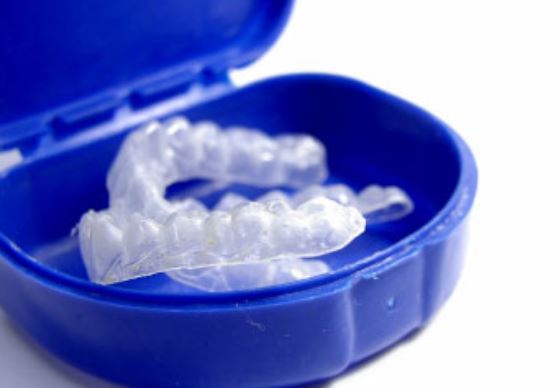
Photo of upper and lower teeth whitening trays in a blue case; for information on free teeth whitening from the office Plano dentist Dr. Miranda Lacy.
A dentist will not be able to remove your veneers to whiten your teeth

Removing the veneers, whitening your teeth, and bonding the veneers on again is risky. Your veneers are not loose, so they will probably break in the process. A dentist must grind the veneers off your teeth. At this point, it is best to replace your porcelain veneers.

This time, look for an advanced cosmetic dentist with post-graduate cosmetic dentistry training. You can schedule consultations with one or two cosmetic dentists before you ask for an exam.

Plano, TX dentist Dr. Miranda Lacy sponsors this post.

My Teeth Are Too Sensitive to Clean

No matter how much I have my teeth cleaned, I still have deep pockets between my teeth and gums. My teeth are sensitive and painful. Two weeks ago, I went in for a cleaning and had to leave because it hurt so bad. My dental insurance lapsed, and I can only pay so much for dental care. This dentist works with my budget, but I am concerned that I am going to lose all my teeth before I can pay for another deep cleaning. Maybe it was a mistake to let the office do the first deep cleaning. What can I do? Thank you. Dominici from TN

 Dominici,

You have advanced gum disease, and you need to take care of it. If the dentist you have seen works with your budget and gives good dental care, talk to him or her about it. You may need to ask for a periodontist (gum specialist) to avoid losing your teeth.

Painful deep teeth cleaning

Photo of a woman in a dental chair with a dentist and hygienst on either side of her; for information on affordable dentistry from Plano TX female dentist Dr. Miranda Lacy.
Find an affordable dentist you can trust

Often before deep cleaning, a hygienist will apply local anesthetic to minimize your discomfort. Infected and inflamed gums must be cleaned deeply—to where your teeth and gums are attached. But the pain you described sounds more severe.

Sometimes deep cleaning can provoke an active infection, which increase inflammation and pain. Your dentist can prescribe antibiotics for you to take until you complete deep cleaning appointments. And you can phase the deep cleaning. Schedule two appointments and wait a week or two before completing treatment—but take the antibiotics until treatment is complete.

Time to switch dentists

We recommend that you find another dentist who will work with your budget by offering payment plans or financing. Your dentist has not readily referred you to a periodontist to control your gum disease. Treatment from a periodontist will be effective and more comfortable.

Aggressive gum disease leads to tooth loss

According to the American Academy of Periodontology, aggressive gum disease (periodontitis) causes your gums to detach from your teeth and leads to jawbone loss. You must resolve the issue promptly to avoid losing your teeth.

Miranda Lacy, DDS, a female dentist in Plano, TX, sponsors this post.

How much does sedation dentistry cost?

Can you tell me how much sedation dentistry costs? I have put off dental work for some time, knowing that I have severe decay. I have delayed going to the dentist because I did not have dental insurance for years. And although I got dental insurance in September of last year, I did not make a dental appointment due to anxiety. I’ve had three dentists over my lifetime, and two of them had poor patient care and were unnecessarily rough. I always left appointments in pain regardless of the procedure. Last weekend I fell and cracked a tooth. The crack doesn’t look that bad, but my tooth hurts. The pain throbs on and off. I think that I can make a dental appointment if I get sedated, but I would like to know how much it costs. If sedation is expensive, I can save money from each paycheck over the next two months. Thank you. Amit

Amit,

Thank you for submitting your inquiry to our office. Your throbbing tooth pain is a symptom of internal tooth damage. See a dentist promptly for an examination.

Although sedation dentistry fees vary and you must speak with your provider for exacts costs, we can provide estimates.

How Much Does Sedation Dentistry Cost?

The cost of sedation dentistry depends on several factors, including the type of sedation you receive, the length of your dental appointment, and where you live in the U.S. because dental fees vary by location throughout the country.

Types of Sedation

Although dental offices vary with the sedation services offered, the types of sedation available include nitrous oxide, oral conscious sedation, and IV sedation. Many dental offices do not offer sedation at all, but others provide at least one option. The costs below are estimates. Call your dentist’s office to ask what type of sedation is available and how much it costs.

Sedation Dentistry with Nitrous Oxide

Nitrous oxide, also known as laughing gas, is the lowest level of sedation.  You breathe in nitrous oxide through a small nose mask during your dental procedure. After the procedure, your dentist will give you pure oxygen to breathe in and quickly reverse the effects.

How much does nitrous oxide cost?

The average cost of sedation dentistry with nitrous oxide in the U.S. is $80 to $150 for the first hour. Your dentist may charge an additional fee if you require nitrous oxide longer than an hour.

Oral Conscious Sedation

Oral conscious sedation is in pill form. Many dentists use the medication Halcion (Triazolam), while others may offer diazepam or lorazepam for sedation. You will take the medication before your dental appointment so that you can arrive relaxed.

How much does oral conscious sedation cost?

The average cost of oral conscious sedation in the U.S. is $250 to $500 per hour. If you need to remain sedated beyond an hour, you may incur an additional fee.

IV Sedation

Intravenous sedation works faster than nitrous oxide and sedation dentistry. The amount of sedation your dentist gives you can vary from making you drowsy to putting you in a deep sleep.

How much does IV sedation cost?

Although the depth of sedation affects the cost, on average, in the U.S., IV sedation costs $500 to $1000 per hour with an additional fee beyond an hour.

Will Insurance Cover the Cost of Sedation?

Woman's face with her eyes closed while she receives dental work
Ask your dentist’s office about sedation dentistry fees and contact your insurance provider about benefits

Each insurance plan differs. Contact your insurance provider and ask if they provide benefits for sedation dentistry. Most insurance plans that offer sedation benefits have restrictions on the length of time coverage is provided for a procedure. For example, an insurance plan may provide benefits toward the first hour of sedation only.

Your dentist’s office will explain sedation dentistry fees and how long you will need sedation during your dental procedure.

Plano, TX dentist Dr. Miranda Lacy sponsors this post.

My dentist extracted my tooth and left two roots behind

I had not been to a dentist in years, so I decided to get an exam and cleaning and schedule teeth whitening later. A needed several fillings before I could get my teeth whitened, and the dentist said one tooth was severely decayed and required an extraction. The dentist extracted the tooth last Thursday, and this weekend when I looked at the extraction hole to clean it, I saw two roots of the tooth left. Will those roots interfere with a dental implant, and why would my dentist leave them? Thank you. Konnor

Thank you for your question. Molar teeth have multiple roots, and it is a challenge to see into an extraction site near the back of your mouth. Are you sure that you see tooth roots are left and not debris stuck in the socket?

If your dentist left two roots behind, there must be a reason for it—although your dentist should inform you when this happens. Sometimes the location of tooth root tips is so close to the sinus that removing them could puncture the sinus or damage or nerve. But the roots must be removed before getting a dental implant.

Not all dentists are comfortable retrieving tooth roots and tips, and some do not have the instruments required to do it. The process can be challenging and lengthy for a dentist who does not have much experience in this area. If you have roots left in the extraction site instead of debris and your dentist cannot remove them, an oral surgeon can. It is easier to remove the roots soon after extraction, so schedule an appointment promptly

Teeth Whitening After Extraction

After the extraction site heals, you can begin teeth whitening treatment. When your teeth are as white as you want, your implant dentist will begin the process. A lab will make your dental crowns to match your brightened smile.

Selecting Your Dental Implants Provider

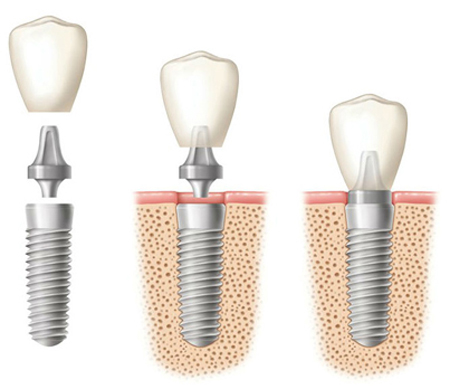
Diagram of dental imlant components, including the root form, connector, and crown
Dental implant

Look for a skilled implant dentist or oral surgeon. If your dentist left roots and not debris behind, it might be challenging for him to resolve the issue with the roots before placing a dental implant. It might be best to ask for a referral to an oral surgeon for tooth root removal and implant placement.

Plano, TX dentist Dr. Miranda Lacy sponsors this post.

Do I really need both wisdom teeth extracted?

My dentist is going to remove my lower right wisdom tooth because it aches. He says that if I don’t remove the upper right wisdom tooth, it will drop into the space of the lower one and eventually hit my gums or interfere with other teeth. Is that true. Do I need both wisdom teeth extracted? I am 54 years old and do not want unnecessary complications. I am anxious to begin teeth whitening treatment. Thank you. Regina

Regina,

Your dentist is right. It is wise to remove wisdom teeth in pairs for several reasons.

  • Drifting – Keeping the upper right wisdom tooth can cause it to drift into the lower space.
  • Bite disruption – The unevenness can disrupt your bite or contribute to tooth decay or gum disease.
  • Tooth decay or gum disease – Without a lower tooth to chew against, if the upper tooth disrupts your bite, tooth decay or gum disease can occur in other teeth.

What Can You Expect with Wisdom Teeth Removal?

You can expect painless surgery and progressive recovery with wisdom tooth removal. Impacted wisdom teeth can be challenging to extract. If your dentist is not experienced with a variety of cases and your teeth are impacted, he may refer you to an oral surgeon.

Comfort – Before surgery, the oral surgeon will sedate you.

Surgery length – Your time in surgery depends on how many teeth the surgeon will remove and if they are impacted. Average time for removing all four wisdom teeth is about 1.5 hours.

Progressive recovery – You will see some swelling and feel soreness, but post-operative instructions explain how to manage them both and keep comfortable. Each day, you will progressively feel better. Although complications are rare, your oral surgeon will explain the signs and symptoms of complications, including:

Photo of upper and lower teeth whitening trays in a blue case; for information on free teeth whitening from the office Plano dentist Dr. Miranda Lacy.
Teeth whitening can begin after wisdom tooth extracation
  • Dry socket
  • Infection
  • Sensory nerve damage
  • Sinus perforation

Follow-up visits – You may have one follow-up visit after extraction, but it is often not needed.

Your dentist will schedule an appointment to check the extractions sites and ensure your gums and remaining teeth are healthy before starting teeth whitening treatment.

Plano, TX female dentist Dr. Miranda Lacy sponsors this post.

Is tooth extraction my only choice?

Two of my left molar teeth are infected. Both teeth have old fillings in them. After over a month of pain that I managed with Advil, I went to the dentist. The dentist took an x-ray and said both teeth have an abscess, and he wants to extract them both. I asked him about my options, and he said there aren’t any. Is this a standard solution for molar teeth with abscesses? – Thank you. Noah from Austin

Noah,

A dentist is ethically and legally obligated to explain your options. Unless your dental insurance is government funded, your dentist must explain your options. Government programs will pay for the cheapest option, which is extraction.

Treatment Alternatives to Tooth Extraction

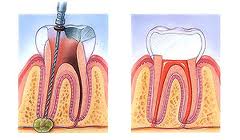
Side-by-side diagram of an infected tooth being cleaned out with root canal treatment (left) and a healthy tooth to the right.
An endodontist can resolve previous root canal issues

If your teeth are infected, root canal treatment is the best treatment option. An abscess at a tooth root is a sign that the tooth pulp—living tissue—is dead. Tooth nerves are in the pulp, so your root canal treatment will be painless and more comfortable than tooth extraction. When third molars, or wisdom teeth, are infected, tooth extraction is best because wisdom tooth anatomy is complex.

Faulty Fillings and Tooth Pain

Faulty fillings can cause tooth pain and lead to infection. If your dentist did shoddy work on your fillings and knows it, he may want to extract your teeth without explaining your option.

What Happens After Tooth Extraction?

If a dentist extracts a second or first molar, the upper tooth will probably drift into the space and hit the lower gum. You can lose the upper tooth also. If there are no teeth behind your second molar, you probably won’t have complications.

Keep in mind that Dr. Lacy has not examined your teeth, and we cannot provide an accurate diagnosis. We recommend that you get a second opinion from an experienced dentist who will explain your treatment options. It would be unusual, but if you require extractions and dental implants, you can speak with the dentist about financing or payment plans if needed.

This post is sponsored by Plano, TX female dentist Dr. Miranda Lacy.

Is it too late to save my fractured tooth?

I split my left incisor tooth, and after seeing three dentists, none of them want to save it. They all recommend extraction, but I want a dentist who will try to save it first. How can I find a dentist without schedule one consultation after another? I sweat when I think about what it will take to repair the tooth, but I can’t worry about the pain. I want to save it. – Thank you. Clarke

Clarke,

You have two challenges in finding a dentist who will try to save your fractured tooth.

Timing – It is essential to get treatment within a day or two. Although you didn’t mention when your tooth split, more than two days may have passed if you have seen three dentists.

Technique – Few dentists try to save a fractured tooth. But some have found success with this method:

  • Fit the tooth pieces perfectly back together
  • Hold the pieces with a dental crown
  • Follow-up on the tooth for the life of the patient

Documentation on this technique is limited, and there is insufficient research to declare it an acceptable method.

Photo of female patient sitting and relaxing in a dental chair, for information on sedation dentistry from Plano female dentist, Dr. Miranda Lacy.
Ask your dentist about sedation options

If a dentist is willing to save your tooth, perhaps an endodontist (root canal specialist) might be willing to do it. Visit the American Association of Endodontists website for information about traumatic tooth injuries, the risks associated with them, and where an endodontist can save a tooth or need to extract it. Regardless of which treatment you receive, an endodontist will numb the tooth. If you are anxious, you can request sedation.

But you must get an appointment right away. Look for a board-certified endodontist and schedule an appointment for an exam. You do not have any more time to schedule a consultation. The longer you wait, the higher the risk of requiring tooth extraction and a dental implant.

Plano, TX female dentist Dr. Miranda Lacy sponsors this post.

Is an extraction instead of a root canal necessary?

I scheduled an appointment for a dental exam and teeth whitening consultation. The exam included an x-ray, and the dentist said he isn’t comfortable doing teeth whitening yet because one of my top left molars that already has a crown on it no longer has a canal. The tooth has been uncomfortable for a few months, but I didn’t think it was that serious. My dentist prescribed antibiotics and said that since the tooth doesn’t have a canal, he can’t do root canal treatment. If the tooth doesn’t improve from antibiotics, he recommends extraction. I’ve read many times that it is always better to keep your natural teeth. My dentist didn’t give me any options. Are there alternatives to an extraction? – Thank you. Latha

Latha,

Although Dr. Lacy would need to examine your tooth and x-rays for an accurate diagnosis, we are not comfortable with your dentist’s evaluation.

Antibiotics for tooth discomfort

Your tooth cannot be treated with antibiotics alone. A dentist might use antibiotics as a diagnostic tool.

  • Tooth pain that improves with antibiotics – If tooth pain goes away with antibiotic treatment, you have a tooth infection. Treatment options can include root canal treatment or extraction. But if your dentist does not treat the tooth and remove the infection, after you stop taking the medication, the symptoms will return.
  • Tooth pain that does not improve with antibiotics – When antibiotics do not resolve tooth pain, it is an indication that a tooth infection is not the source. Your dentist would need to find the cause before recommending treatment.

A tooth without a canal?

If a dentist tells you that your tooth does not have a canal, two possible factors include:

  • Upper molar teeth have a lot of bone around them, making it difficult to see the root canal, so your dentist’s assessment might not be correct.
  • Tooth irritation causes a buildup of dentin (layer beneath tooth enamel) inside the tooth pulp and canals. The buildup narrows the canals and can make them more challenging to see on an x-ray.

Saving your natural tooth

If you want to save your tooth, we recommend getting a second opinion. Look for an endodontist (root canal specialist) or ask your dentist for a referral to an endodontist. Be aware that your dentist might refer you to a friend who will agree with your dentist’s assessment. You may want an independent opinion.

Photo of upper and lower teeth whitening trays in a blue case; for information on free teeth whitening from the office Plano dentist Dr. Miranda Lacy.
Only begin teeth whitening treatment if your teeth are healthy

After an examination and x-ray, an endodontist will explain if it’s possible to save your tooth and the results you can expect with root canal treatment. It is wise to postpone your plans for teeth whitening until your tooth is healthy. Otherwise, it may become further irritated.

Miranda Lacy, DDS, a Plano, TX, female dentist sponsors this post.

My New Porcelain Veneers Inflamed My Gums

I received porcelain veneers in September, and my gums are still tender and slightly inflamed. I’ve seen my dentist about this issue three times, and his consistent answer is that I don’t floss between my teeth. But I floss between my teeth twice daily. I am partially blaming myself for this problem because I chose the dentist with the lowest cost for porcelain veneers after consultations with five dentists. My teeth were so damaged that I thought veneers were the right solution. Last week, my dentist told me that one of my incisors is infected and might need a root canal. I feel like he is taking advantage of me. Why discuss a root canal when the problems with my gums are not resolved? I want to cry, but I need to keep calm and think about what I should do next. What is your opinion? Thank you – Anika from Dallas

Anika,

Thank you for your inquiry. We are sorry that your porcelain veneers are a new source of anxiety. Gum inflammation after you receive porcelain veneers is a clear sign that your dentist did something wrong. Gum tissue after veneers should be as healthy—or healthier—than before treatment. Although choosing a dentist with the lowest fees often comes with low-quality results, your dentist is responsible for your care.

What Causes Gum Inflammation After Porcelain Veneers?

Photo of a single porcelain veneers, from affordable Plano TX dentist Dr. Miranda Lacy.
Healthy veneers do not cause gum inflammation

After getting porcelain veneers, a common cause of gum inflammation is excess bonding cement that your dentist did not remove. The cement irritates your gum tissue and causes inflammation and infection. And the infection can spread and affect your teeth, which is likely why you need root canal treatment.

How to Get a Refund from Your Dentist

Cosmetic dentistry is not a recognized specialty, so it will be challenging to get a refund from your dentist based on your veneers and gums’ appearance.

Schedule an appointment with an advanced cosmetic dentist for an exam and second opinion. After the dentist gives you a diagnosis and explains your treatment options for veneers, talk to your current dentist about your complaints:

  • After receiving porcelain veneers, your gum inflammation is persistent.
  • Your dentist has not treated the issue.
  • Mention excess cement left behind—or whatever cause your second-opinion dentist finds.
  • Explain that the issues with your gums are causing discomfort and anxiety.
  • Request a refund and mention that you will consider filing a complaint with the state dental board.

If your current dentist does not promptly offer a refund, ask your new cosmetic dentist if they are willing to help you negotiate. Consider hiring an attorney if your dentist continues to be uncooperative.

Please try not to be overly concerned about the cost of regaining your oral health. Talk with your dentist about financing, payment plans, and how to make dental treatment affordable for you.

Miranda Lacy, DDS, of Plano, TX, sponsors this post.